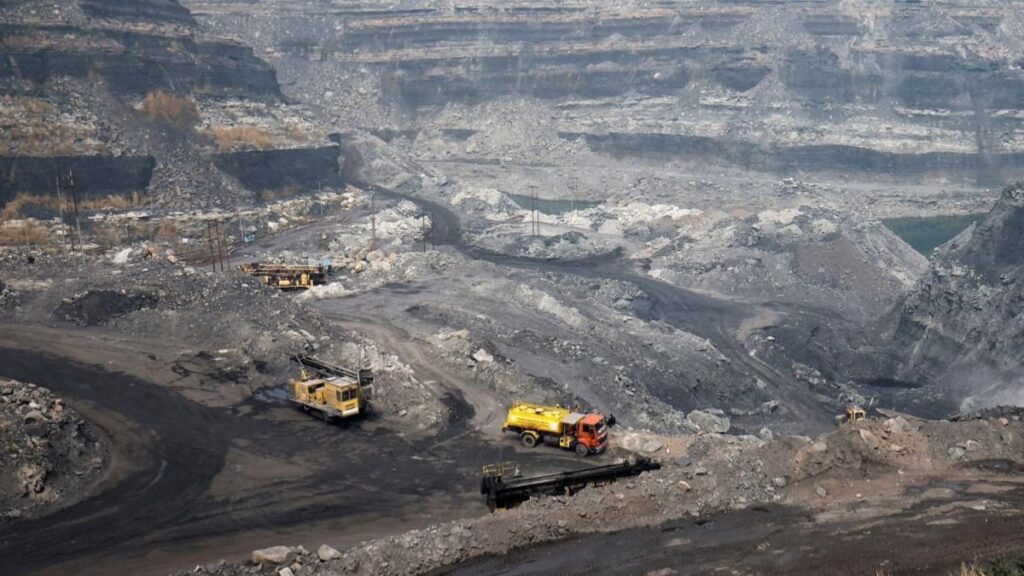
In a major boost to India’s quest for mineral self-reliance, the Union Government has approved a comprehensive overhaul of royalty rates for key critical minerals. The move is part of the broader $1.9-billion National Critical Minerals Mission aimed at securing resources essential for electronics, batteries, renewable energy and defence manufacturing.
Under the new structure, the royalty rate for graphite has been linked to its actual sale price, ensuring better transparency and fair valuation. Meanwhile, the rates for high-value minerals such as caesium, zirconium, and rubidium all crucial for advanced technologies have now been fixed, giving clarity to private and public sector players eyeing exploration.
India currently relies heavily on imports for these minerals, often from supply chains dominated by China. The government’s updated framework is expected to reduce this dependency and encourage domestic exploration and mining.
Officials say the reforms will unlock new investment, speed up project rollouts and help India overcome vulnerabilities in global mineral supply chains. With demand for minerals used in EV batteries, electronics, defence systems and renewable technologies set to surge, securing stable domestic sources is viewed as a strategic priority.
Through the Critical Minerals Mission, India aims not only to expand mining capacity but also to strengthen downstream processing and value-addition, positioning the country as a competitive player in the global clean-tech economy.
With these policy changes, India signals a decisive shift from import reliance toward mineral self-sufficiency reinforcing its long-term goal of building a resilient, future-ready industrial base.