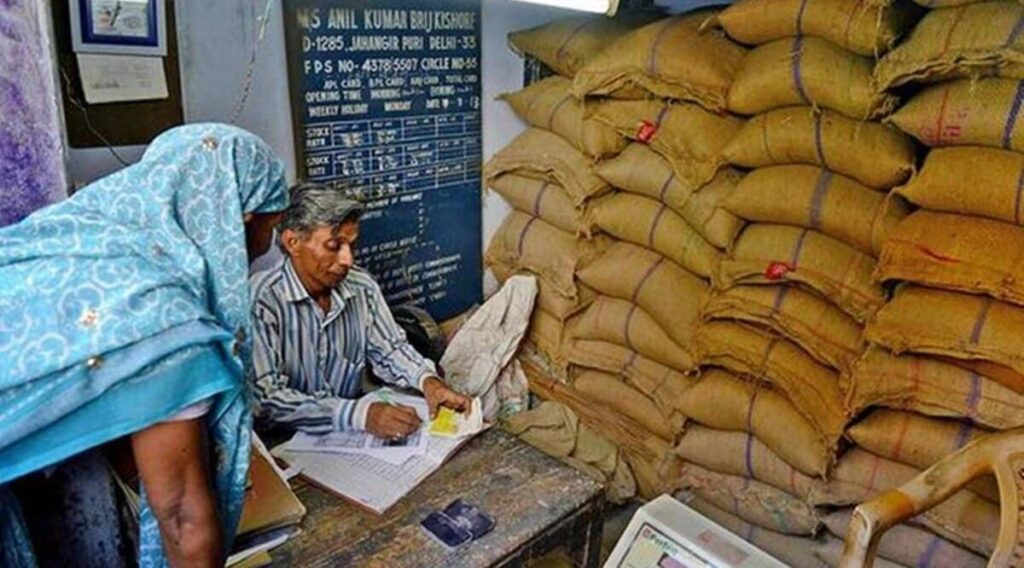
The Indian government has purged approximately 2.25 crore (22.5 million) ineligible beneficiaries from the free monthly ration scheme over the past four to five months, Food Secretary Sanjeev Chopra said on Tuesday. The move is part of a sweeping effort to sharpen the targeting of food security programs and ensure benefits go only to those who truly qualify.
Who Was Removed and Why
According to officials at the Department of Food & Public Distribution, the list of ineligible beneficiaries included:
Deceased individuals whose names had not been stricken off the rolls
People holding directorships in companies
Individuals owning four-wheelers
Individuals whose income exceeded prescribed thresholds
These names were identified centrally, after data-matching by the Centre across tax, corporate, and transport databases, and then shared with states for verification and deletion.
Why This Matters
Under the National Food Security Act (NFSA), certain households are eligible to receive 5 kg of free foodgrains (rice or wheat) per person per month. This benefit is meant for economically vulnerable groups, “priority households” and those under the Antyodaya Anna Yojana (AAY).
By removing ineligible beneficiaries, the government aims to improve the effectiveness and fairness of the scheme, ensuring that food subsidies reach the intended recipients. Food Secretary Chopra underscored that the clean-up is a “continuous process,” as states will also add newly verified, deserving beneficiaries.
States’ Role and Verification Process
States are responsible for both identifying eligible beneficiaries and issuing ration cards, which means that updating the list (by removing and adding names) is largely a state-driven process.
The Centre has called on states to complete this verification process promptly. Officials say the deletions were made after cross-referencing data with multiple central databases, and upon state-level confirmation.
Impact and Reactions
Some of those removed include individuals such as farmer-producer organization (FPO) directors, raising controversy: according to a report, hundreds of such directors have ration cards, prompting political pushback and threats of resignations.
Other observers view the move as a positive step toward reducing “leakages” in the Public Distribution System (PDS). By weeding out ineligible beneficiaries, the government hopes to reduce misuse of resources and make the food security net more efficient.
What’s Next
The Centre is continuing to work with states to add eligible households, ensuring those who truly need help remain covered.
Officials say this cleanup will be followed by periodic reviews, to keep the rolls updated.
Meanwhile, the department’s annual report confirms that about 81.35 crore people (nearly two-thirds of India’s population) remain eligible for food subsidies under NFSA.