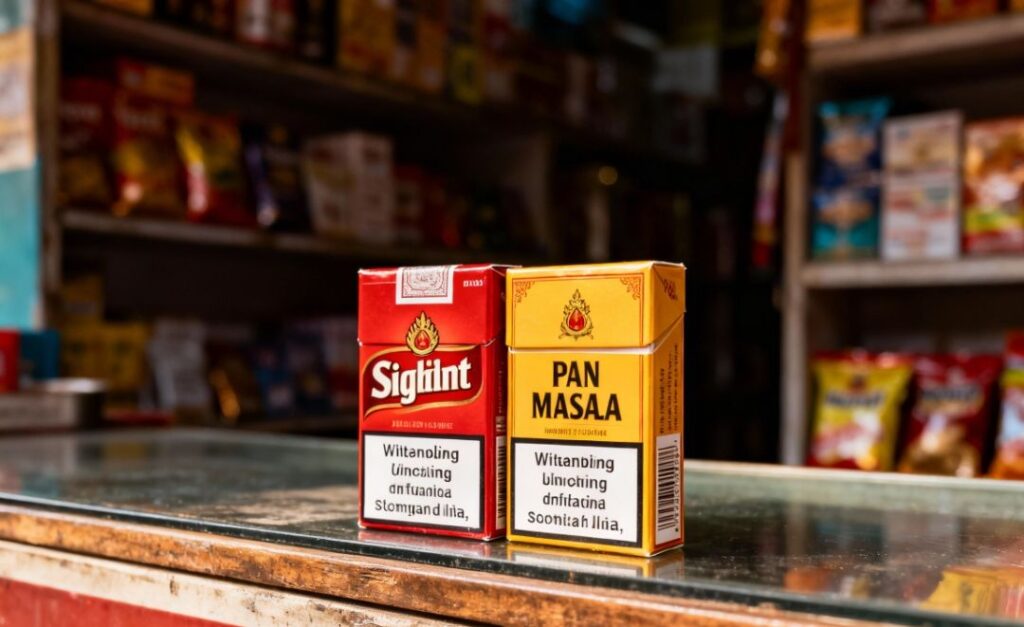
As the compensation cess under the existing Goods and Services Tax regime nears expiry, the Centre plans to introduce two bills in Parliament on Monday to ensure that tobacco products, pan masala and related items continue to carry a significant tax burden.
What the new bills propose
The first bill, titled Central Excise Amendment Bill 2025, aims to replace the current GST compensation cess on tobacco and tobacco related items with a new central excise duty.
The second bill, named Health Security se National Security Cess Bill 2025, proposes a fresh cess on manufacturing of pan masala and possibly other specified goods. This cess will apply at the level of machinery or manufacturing processes, rather than simply on the final product.
Why the change and what will remain the same
Under the present regime, tobacco products such as cigarettes, gutkha, chewing tobacco and pan masala attract 28 percent GST plus a variable compensation cess.
The compensation cess was originally meant to help compensate states for revenue loss after GST rollout. That period ended in 2022, but collection continued until now to help repay linked loans taken during the pandemic.
With loan repayment nearing completion, the government is ready to end the compensation cess and replace it with a permanent excise duty and manufacturing cess to keep overall tax incidence high on tobacco and pan masala.
What tax levels may look like
Under proposals shared in media, the excise duty on unmanufactured tobacco and certain tobacco waste may be as high as seventy percent.
For cigarette packs the government may specify a fixed duty amount per thousand sticks depending on length and type. For pan masala manufacturing units the new cess could be computed on the basis of the number of machines or the rate of production output.
Government’s rationale and expected benefits
The government argues that these measures are needed to “protect the tax incidence” on what are known as sin goods, once the temporary compensation cess framework ends. The revenue from new levies will go to Consolidated Fund of India and can be used for public health and national security expenditure.
Additionally, by keeping tax burden high, the move may continue to deter consumption of harmful products such as tobacco and pan masala.
Possible impact on consumers and industry
For consumers, the shift means that prices of cigarettes, gutkha, pan masala and other tobacco related items are unlikely to fall and may even rise once the new levies kick in.
For manufacturers and distributors the transition will entail compliance with new excise provisions or cess calculations based on manufacturing apparatus. This could raise costs and affect margins, especially for small players.
Some major tobacco companies have already seen their stock prices react to the news, reflecting uncertainty about future demand and cost burden.
However critics caution that overly heavy taxation may push consumption into unregulated markets for illicit or counterfeit products undermining both public health goals and tax revenue hopes.
What is next
The bills are scheduled to be tabled in the Lok Sabha at the start of the ongoing winter session. If approved, the new taxation regime could take effect soon after parliamentary passage and administrative notification.
Observers say the coming days will be crucial in shaping the future of sin goods taxation in India.