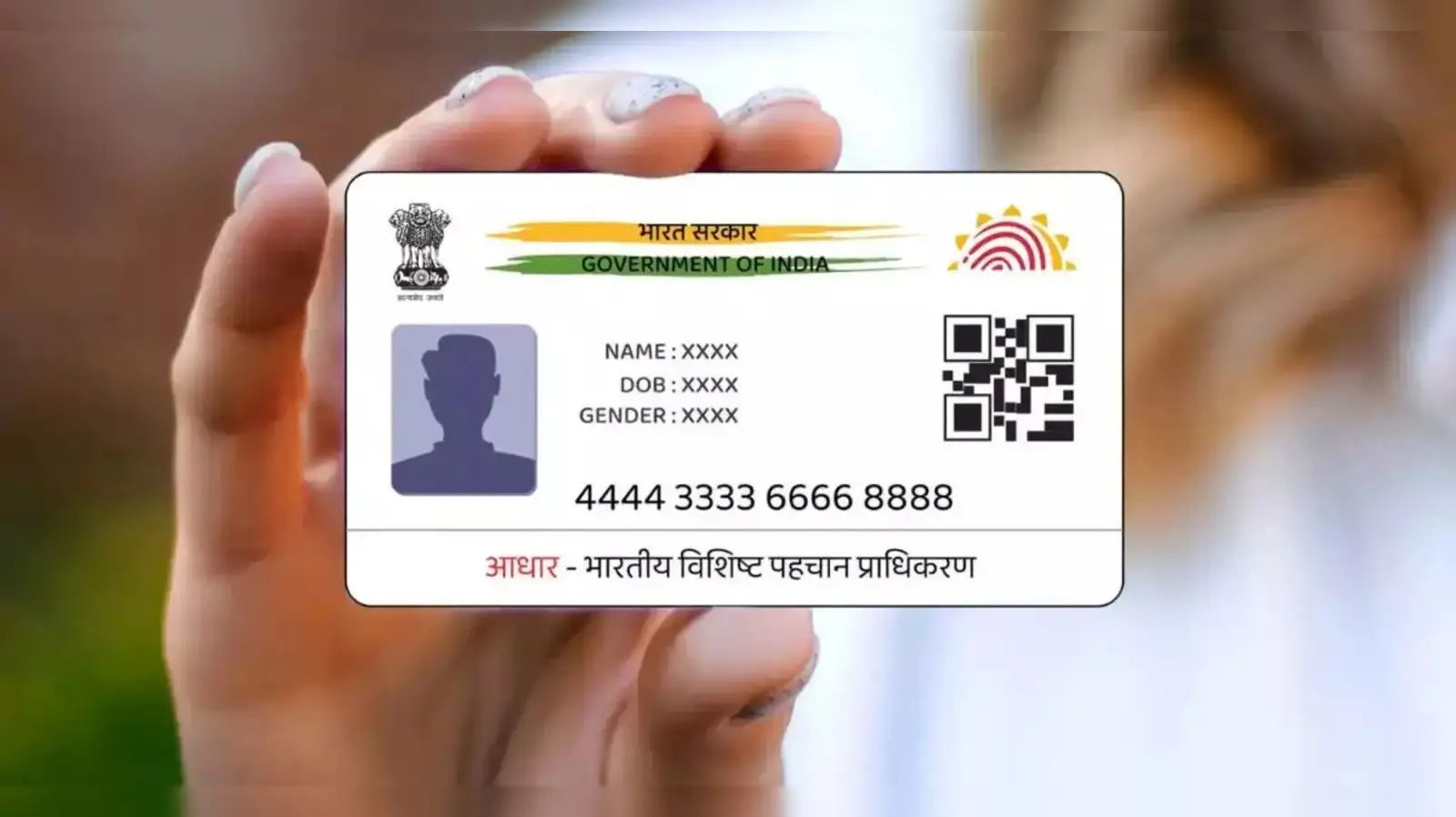
In a major move aimed at strengthening data privacy and curbing misuse of identity documents, the UIDAI is set to introduce a rule prohibiting hotels, event organisers and other private entities from collecting or storing photocopies of residents’ Aadhaar cards. The new regulation, approved by the authority, will formalise a shift toward secure digital verification.
What Exactly Is Changing?
Under the forthcoming rule, entities such as hotels, event venues and other offline service providers that currently rely on Aadhaar photocopies for identity verification will no longer be permitted to do so. Instead, they will be required to register with UIDAI and use digital verification methods such as QR-code scanning or a dedicated Aadhaar app to validate identity.
According to UIDAI CEO Bhuvnesh Kumar, this step is aimed at encouraging paperless verification and protecting the personal data of Aadhaar holders, while aligning with the provisions of the Aadhaar Act.
The new app being developed by UIDAI is expected to support offline verification meaning identities can be authenticated without constant server connection making the system more robust even in low-connectivity areas such as remote venues or airports.
Why the Move?
Privacy protection: Photocopies of Aadhaar cards, when stored physically by third-party entities, can pose serious risk of data theft or misuse. The new rule aims to eliminate this risk.
Legal compliance: Many of the current practices are reportedly in violation of the Aadhaar Act, which discourages unauthorized storage and use of Aadhaar data by private entities. The updated rule seeks to bring compliance across the board.
Efficiency & convenience: Digital and QR-based verification is faster, reduces paperwork, and removes the burden of physical storage and security of sensitive documents.
What It Means for Common Citizens
Once the rule takes effect, individuals checking into hotels, attending events, or accessing services requiring Aadhaar verification will no longer be required to hand over a photocopy of their Aadhaar card. Instead, they will present the Aadhaar QR or use the Aadhaar app for verification. This is expected to reduce the possibility of their Aadhaar data being leaked or misused.
For establishments, this change will mean obtaining proper registration with UIDAI and upgrading their verification systems to accept QR-code/Aadhaar-app based authentication. Entities that rely on Aadhaar-based guest check-in or identity verification (like hotels, event planners, housing societies, etc.) will come under the purview of this new regulation.
What’s Next
The new rule has already been approved by UIDAI and will be notified shortly. Once notified, the regulation will formally replace existing default practices of physical Aadhaar photocopy collection by private entities.
With this step, Aadhaar verification in India could be steering decisively toward a digital-first, privacy-first model reducing reliance on paper, closing loopholes in data storage, and bringing more transparency and control for Aadhaar holders.