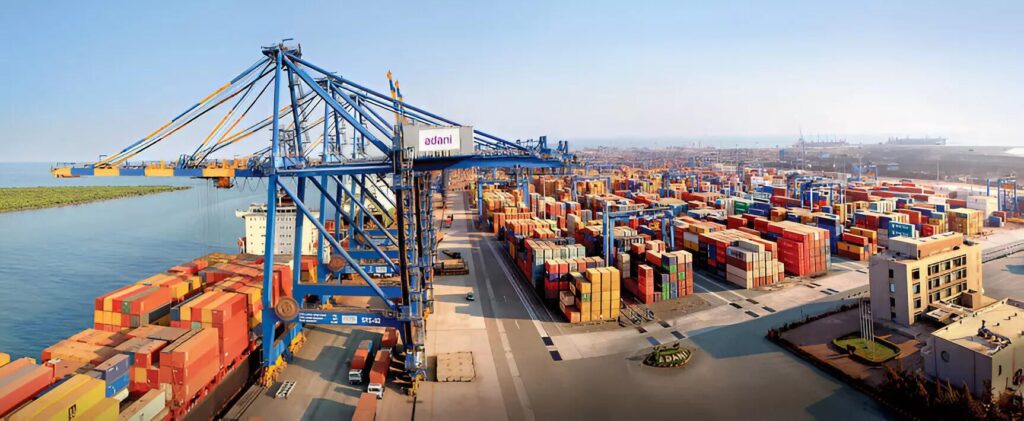
India is preparing a significant overhaul of its Special Economic Zones (SEZ) policy as global trade pressures mount, particularly following steep tariff increases by the United States. According to officials familiar with the matter, a government panel comprising representatives from the Commerce Ministry, NITI Aayog and key export bodies is currently working on drafting the new framework.
The proposed reforms are expected to give SEZs more operational flexibility, with a central focus on enabling ‘reverse job work’ – a mechanism that would allow SEZ-based units to take orders from the domestic tariff area (DTA) and supply finished goods within the country.
At present, SEZs primarily cater to exports and face heavy restrictions when selling to the domestic market, often leading to underutilised capacities when global demand slows down.
Why the Revamp Now?
Exporters have been facing uncertainties due to slowing global demand and rising protectionist measures, including the recent tariff hikes imposed by the U.S. on certain imports. This has pushed policymakers to re-evaluate how India’s SEZs can stay competitive while ensuring steady production and employment.
Key Objectives of the New Policy
Boost Domestic Market Access: Allow SEZ units to fulfil domestic orders more freely, helping maintain factory output.
Strengthen Job Security: Ensure workers in SEZs retain employment even during export market downturns.
Increase Value Addition: Encourage industries to shift value-added manufacturing to India instead of outsourcing it abroad.
Enhance Investor Confidence: Position SEZs as more flexible and resilient production hubs aligned with India’s “Make in India” and “Atmanirbhar Bharat” goals.
Industry Response
Exporters and industry associations have welcomed the move, noting that reverse job work could reduce idle capacity, bring scale efficiencies, and attract more investment into high-tech and labour-intensive sectors.
Economists say the reform could “blur the wall” between export zones and the domestic economy, making India’s manufacturing ecosystem more integrated and competitive.
What Happens Next?
The final draft of the policy will be circulated for stakeholder consultations before being presented to the Cabinet. If approved, the new framework could mark the most significant shift in India’s SEZ operations since the SEZ Act of 2005.
As global trade patterns continue to evolve, India appears determined to ensure that its industrial zones remain engines of growth both for exports and domestic production.