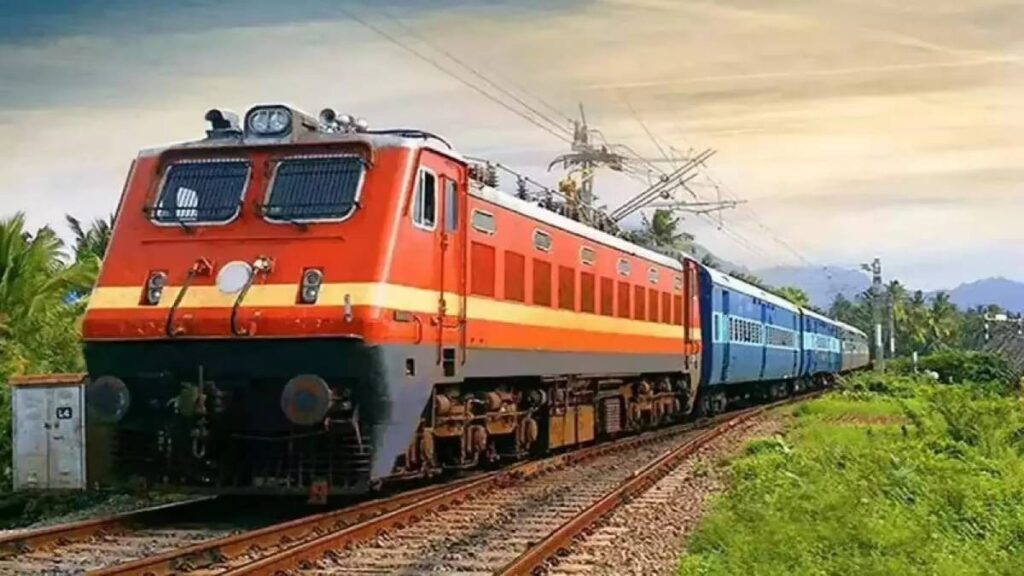
In a major logistical achievement, Indian Railways has surpassed the 1 billion tonne freight loading mark in the fiscal year 2025-26, highlighting the growing strength of its bulk-commodity operations. As of November 19, cumulative freight loading stood at approximately 1,020 million tonnes (MT), according to a statement from the Ministry of Railways.
Key Drivers: Coal, Iron Ore and Cement
Coal continues to be the dominant component, contributing 505 MT, nearly half the total freight unloaded so far.
Iron ore follows next at 115 MT, marking strong throughput in the mining sector.
Cement, underscoring India’s infrastructure push, accounted for 92 MT of freight.
Other notable contributors are container traffic (59 MT), pig iron & finished steel (47 MT), fertilizers (42 MT), mineral oil (32 MT), and foodgrains (30 MT).
Operational Efficiency Gains: Strong Daily Loading
The Railways has reported a daily loading rate of around 4.4 MT, up from 4.2 MT during the same period in the previous fiscal year. This uptick reflects better utilization of rolling stock, faster turnaround, and more disciplined logistics a clear signal of improving operational efficiency.
Between April and October 2025, the Railways loaded 935.1 MT, compared to 906.9 MT in the same period a year ago,a year-on-year growth of more than 3%.
Policy Push: Cement Reforms and Greener Logistics
To further strengthen freight capacity especially for cement the Railways has rolled out key policy reforms:
1. Policy for Bulk Cement Terminals: Designed to expand capacity for handling cement in bulk, increasing throughput while reducing reliance on road transport.
2. Rationalised Rates for Containerised Bulk Cement: Lower rates for moving cement in containers aim to reduce logistics costs, shorten transit times, and boost the competitiveness of rail over road.
According to the Ministry, these reforms not only benefit cement manufacturers but also end consumers while lowering the carbon footprint of freight, decongesting highways, and giving MSMEs access to green and efficient logistics.
Strategic & Environmental Implications
The crossing of the 1 billion-tonne mark underlines how Indian Railways is playing a pivotal role in supporting India’s industrial expansion and infrastructure ambitions. In particular:
The surge in coal and iron ore movement reflects sustained demand from power plants and the steel sector.
Cement’s strong performance signals growing infrastructure investments.
The shift toward bulk rail transport aligns with India’s broader goals of sustainability, as the Ministry noted that rail freight helps reduce carbon emissions and highway congestion.
Future Outlook & Challenges
While the milestone is significant, sustaining this growth will require continued investment and operational improvements:
The 2025–26 rail budget projects further freight tonnage growth, aiming to align with broader targets set for the decade.
Capacity expansion (e.g., more bulk terminals), more efficient rakes, and faster turnaround times will be critical to keep daily loading rates high.
The Railways may also need to balance its freight mix: coal is still dominant, but growth in other commodities like cement, containers, and minerals will be essential to diversify revenue and reduce reliance on fossil fuel-driven cargo.
The 1-billion-tonne freight milestone achieved by Indian Railways is not just a numerical landmark it’s a reflection of India’s deepening industrial momentum and the Railways’ rising significance as a backbone of sustainable logistics. With key sectors like coal, iron ore, and cement driving growth, and reforms helping optimize bulk movement, the Railways appears well positioned to support the country’s infrastructure and economic ambitions.