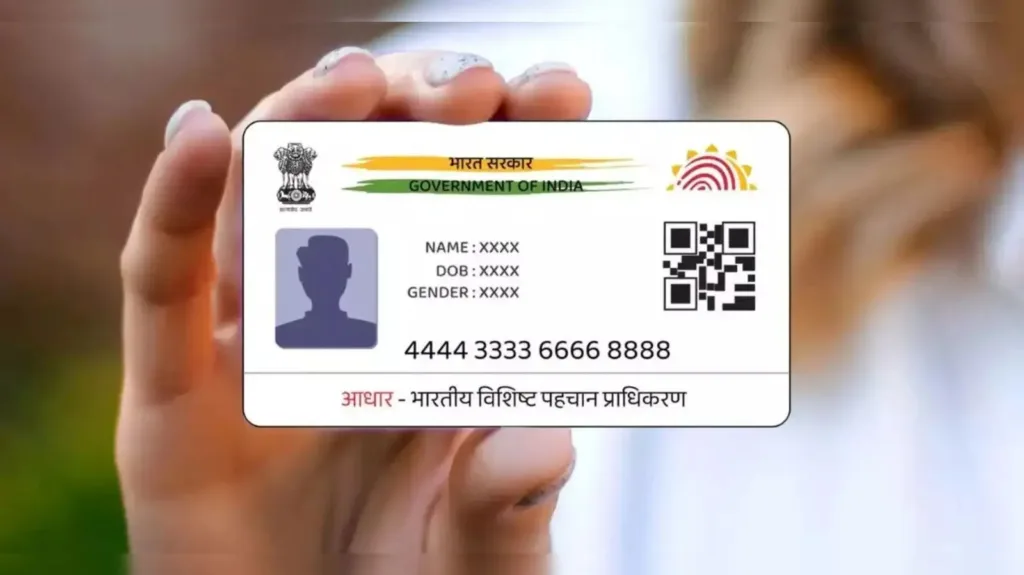
The Unique Identification Authority of India (UIDAI) is planning a major redesign of the Aadhaar card from December 2025, which could significantly boost privacy by removing printed personal details. According to UIDAI CEO Bhuvnesh Kumar, the new version of the card may display only a photograph and a QR code, dispensing with sensitive information such as name, address, date of birth, and even the 12-digit Aadhaar number.
Why This Change Is Being Considered
Preventing Data Misuse One of the driving reasons behind this change is to curb the widespread misuse of Aadhaar data in offline settings. Despite legal restrictions under the Aadhaar Act, many hotels, event organizers, and private agencies continue to demand photocopies of Aadhaar cards often collecting and storing them.
Reducing Trust in Physical Copies As Kumar put it, “If we keep printing [details], people will keep accepting what is printed … People who know how to misuse it will keep misusing it.”
Embedding Data Securely in QR Code All the critical demographic information will not be eliminated but instead embedded inside the QR code. Accessing this information will require the proper channels, making it harder for unauthorized entities to casually copy or misuse personal data.
Supporting Digital Infrastructure: The New Aadhaar App
To support this transition, UIDAI is rolling out a new Aadhaar app, which is expected to replace the existing mAadhaar application. Key features of the new app include:
QR Code based Verification: The app will support scanning the QR code on the physical card and verifying identity via facial recognition.
Selective Sharing: Users will be able to selectively share only the required pieces of identity (like age or name) rather than the full Aadhaar details.
Secure Access Logs: UIDAI plans to keep a record of who scans the QR code and when, to increase accountability.
Legal and Policy Rationale
The move aligns with the Aadhaar Act, which prohibits entities from collecting, using, or storing Aadhaar numbers or biometric data during offline verification yet, in practice, many organizations continue to collect photocopies.
By removing visible personal details, UIDAI hopes to discourage offline photocopy-based identity checks and push more verifications through authenticated digital means.
Timeline & Process
UIDAI is expected to formally consider and decide on the new rule around December 1, 2025.
Once adopted, the new Aadhaar cards (with only photo + QR code) will begin rolling out.
The rollout will go hand in hand with the new Aadhaar app, which institutions (like hotels, event venues, and others) will need to integrate with for QR-based offline verification.
Implications for Aadhaar Holders
Greater privacy: Sensitive information will no longer be printed and exposed on the physical card.
Digital-first verification: People and organizations may increasingly rely on digital verification via the QR code.
Adoption hurdle: For this to work smoothly, widespread adoption of the new app (by both users and service providers) is critical.
Possible Challenges
Infrastructure readiness: Verification points like hotels and event venues will need to upgrade their systems to scan QR codes and perform facial recognition.
User adaptation: Some users, especially those less tech-savvy, may find it difficult to adapt to app-based verification.
Security concerns: While embedding data in QR reduces surface exposure, ensuring the QR-code data is encrypted and securely handled by scanners will be crucial.
The proposed redesign marks a bold shift in India’s identity infrastructure from a physical card laden with printed personal details to a more privacy-preserving, digitally verifiable identity token. If implemented, it could significantly reduce offline data misuse, though success depends on app adoption and system integration across verification touchpoints.