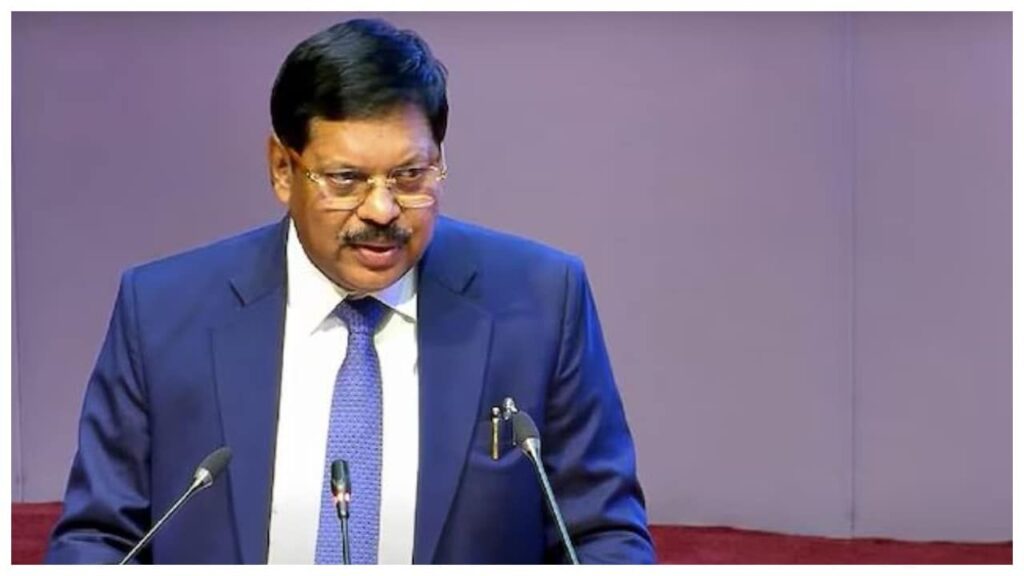
The tenure of Chief Justice of India (CJI) Sanjiv Gavai has seen a notable rise in representation from socially and economically marginalised communities within the higher judiciary. According to official data, during his time as the head of the Supreme Court collegium, as many as 129 candidates were recommended to the central government for appointment as judges in various High Courts. Out of these, 93 names were cleared by the government.
Among those approved were 10 judges from the Scheduled Caste (SC) category, 11 belonging to the Other Backward Classes (OBC) and Backward Classes, and 15 women judges. This marks one of the highest tallies of appointments from these categories made during a single Chief Justice’s tenure, highlighting a shift towards greater social inclusion within the judicial system.
Justice Gavai, who holds the distinction of being the first Buddhist and the second Dalit to occupy the position of Chief Justice of India, has frequently emphasized the need for equitable representation in the higher judiciary. His tenure coincides with a growing national conversation around diversity in public institutions and increased acknowledgment of the historical underrepresentation of certain social groups within the judicial ranks.
Observers note that while the judiciary has traditionally focused on professional merit, the recent pattern of appointments also underscores efforts to create a bench more reflective of the country’s social fabric. Several legal experts have described the move as a step toward bridging the representation gap, even as broader debates on transparency, regional balance, and gender parity in judicial appointments continue.
The data on appointments during CJI Gavai’s term may also inform future discussions on the collegium’s evolving approach to inclusivity. Policy analysts and constitutional scholars see it as an indicator of the judiciary’s responsiveness to India’s social diversity, without departing from merit-based selection principles.
As CJI Gavai’s tenure nears its end, the focus now turns to how his successors might continue the trend of ensuring that the nation’s courts increasingly reflect the society they serve.