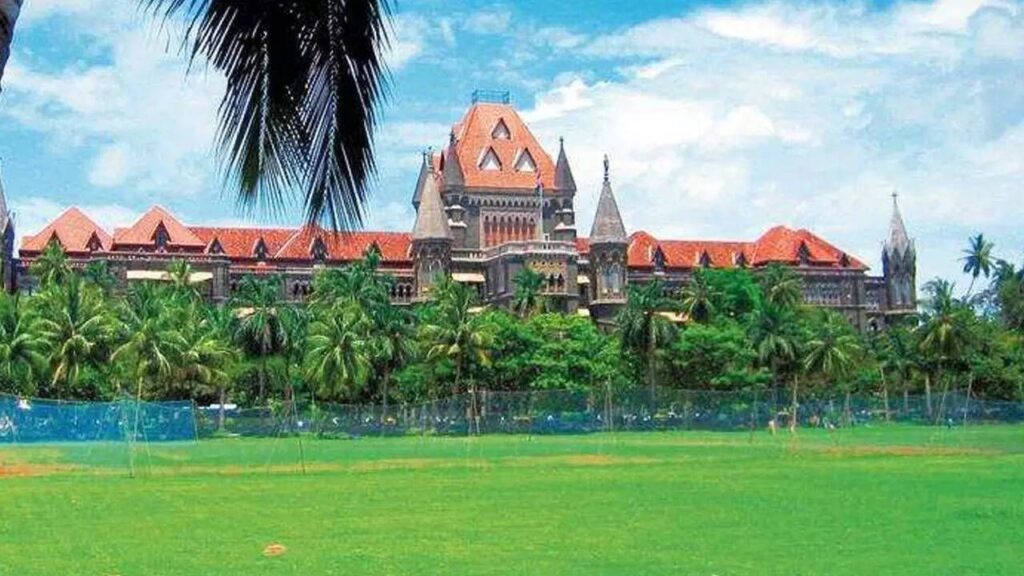
The Nagpur bench of the Bombay High Court has refused to grant relief to a mosque in Gondia that sought permission to use loudspeakers for calls to prayer, holding that amplified sound is not an essential part of any religion and cannot be claimed as a matter of right. The bench said the right to practise religion under the Constitution does not extend to forcing amplified sound on unwilling listeners.
A division bench of Justices Anil Pansare and Raj Wakode relied on earlier Supreme Court precedents and national noise-control norms to reach its conclusion. The court recorded that no religion mandates prayers through voice amplifiers or the beating of drums and observed that freedom of religion cannot be interpreted to permit disturbance of public peace.
The court went further on the wider issue of urban noise, saying that reasonable quiet is a right of citizens particularly children, the elderly, the sick and persons with psychiatric vulnerabilities and highlighted the health risks linked to persistent high noise levels. Citing statutory limits under the Environment (Protection) Act and the Noise Pollution (Regulation and Control) Rules, 2000, the bench emphasised that exemptions to noise limits are strictly circumscribed.
Expressing concern about what it described as “recurring” and widespread violations, the Nagpur bench took suo motu cognisance of noise pollution in the region and directed the court registry to register a public interest litigation (PIL) to examine failures in enforcement. The bench pointed to multiple reported breaches at clubs, grounds and religious and cultural events and questioned the adequacy of recent administrative measures to curb sound pollution.
Legal commentators note that the issue sits at the intersection of Article 25 (freedom of religion) and the State’s police and public-order powers to regulate nuisances and protect public health. While courts have repeatedly protected the right to religious worship, they have also held that incidental practices which infringe public order, health or the rights of others can be regulated. The Bombay High Court’s order follows that line of authority.
The bench declined to restore the mosque’s loudspeaker permissions after finding that the petitioner had not produced legal or religious material to show that use of loudspeakers formed an integral part of religious practice. It also asked the State and police to strengthen enforcement of noise rules and to consider mechanisms that ensure compliance, such as monitoring and time-and-decibel restrictions.
What happens next: the suo motu PIL ordered by the Nagpur bench will require the State and enforcement agencies to respond to the court on steps taken to curb noise pollution. If the PIL proceeds, the matter could result in fresh judicial directions on monitoring, penalties and limits for amplified sound at religious, cultural and recreational venues.
Background
India’s Noise Pollution (Regulation and Control) Rules, 2000, set decibel limits for different zones and prohibit causing noise beyond prescribed limits at specified times. Courts have on several occasions balanced religious freedoms with the right of citizens to quiet and a healthier environment and the Bombay High Court’s Nagpur order is the latest high-profile example of that balancing act.