With economic growth and employment emerging as decisive factors in the upcoming elections, the National Democratic Alliance (NDA) has placed strong emphasis on industrial development in its latest manifesto. The document dedicates eight full pages to outlining an expansive roadmap for boosting India’s manufacturing capacity, fostering new-age industries, promoting exports, and generating large-scale employment across states.
NDA’s Industrial Roadmap: Key Sectors and Proposed Initiatives
The NDA manifesto lays out a multi-sector strategy, identifying both traditional and emerging industries as growth engines. Major proposals include:
Sector / Initiative Key Focus Intended Outcome
Textile Hubs New integrated textile & apparel clusters Employment surge in weaving, stitching & exports.
Fintech & Digital Innovation Centers Support for startups, regulatory sandboxes Strengthening India’s role as a global fintech leader.
Green Manufacturing Clusters Incentives for renewable & eco-friendly industries Boost to sustainable industrial growth.
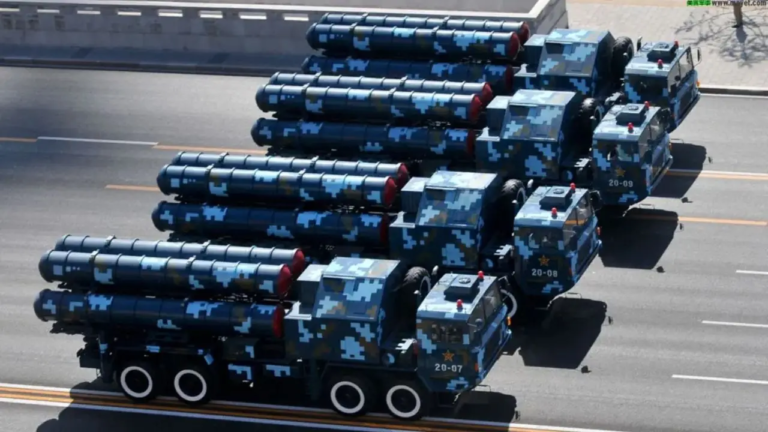
Defence & Aviation Manufacturing Expansion of domestic defence production Reduced import dependence; export increase.
MSME Support & Credit Expansion Easier loans, technology upgradation subsidies Job creation at local levels.
Logistics & Infrastructure Rail-freight corridors, port connectivity, Gati Shakti rollout Lower cost of production and faster supply chains.
The manifesto also highlights initiatives to attract foreign direct investment, strengthen SEZs, encourage public-private partnerships, and simplify regulatory approvals through digital single-window clearance systems.
Employment & Skill Development Focus
The NDA proposes large-scale:
Skill development centers tied directly to industrial hubs.
Apprenticeship programs in partnership with manufacturing units.
Vocational training for rural and semi-urban youth.
The intention is to create an industrial ecosystem where education translates directly into employability.
Contrast with Mahagathbandhan Manifesto
In comparison, the Mahagathbandhan’s manifesto allocates less than half a page to industrial development. The document primarily mentions:
General support for small businesses.
Cooperative-based local employment models.
However, there is no sector-specific planning, no clear financing roadmap, nor detailed proposals for scaling up industries or attracting investment.
Economic analysts suggest that the Mahagathbandhan’s manifesto leans heavily toward welfare-based schemes, whereas the NDA emphasizes production-led growth.
Experts’ Viewpoint
Economic policy observers note that:
India is currently in a phase where manufacturing expansion is key to long-term growth.
Global companies are shifting supply chains out of China.
Countries with clear industrial roadmaps are likely to benefit the most.
In this context, the depth and scale of industrial planning could influence job availability, local development, and income growth in coming years.
Voter Impact
With high youth unemployment concerns and demand for stable income opportunities, industry-led development has become a major election narrative. The clear divergence between the two manifestos may significantly influence urban salaried classes, small entrepreneurs, industrial regions, and aspirational youth.