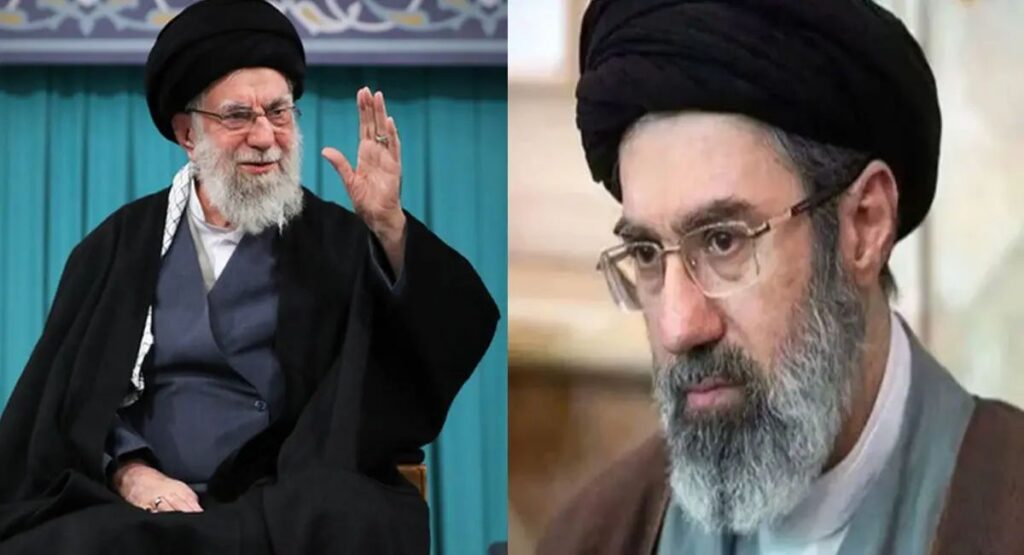
Following the death of Ayatollah Ali Khamenei, the process of electing Iran’s next Supreme Leader is nearing its conclusion. Reports suggest that Mojtaba Khamenei, the son of the late leader, has emerged as the strongest contender in the race. An official announcement regarding the new Supreme Leader is expected shortly.
The Role of the ‘Assembly of Experts,
Speculation regarding the succession has intensified after hints from the Assembly of Experts—the powerful clerical body responsible for appointing and overseeing the Supreme Leader. The Assembly has indicated that the selection process is virtually complete. In the interim period following Khamenei’s passing, Alireza Arafi has been serving as the Acting Supreme Leader.
A Transition to the Next Generation
At 56, Mojtaba Khamenei is poised to take over the highest office in the country. As the second son of Ali Khamenei, he has been viewed by analysts and insiders as a potential successor for several years. His rise comes at a critical juncture for Iran, following his father’s death during joint military strikes by the United States and Israel—an event that has significantly escalated tensions across the Middle East.
Ideological Challenges and Political Sensitivity
The Islamic Republic of Iran has historically positioned itself as an ideological alternative to hereditary monarchies.
Because the Iranian system officially rejects the dynastic transfer of power, a father-to-son succession may raise fundamental questions about the core principles of the revolution.
As the region watches closely, the final decision will determine not just Iran’s leadership, but the future of its revolutionary identity.